
This New York Museum Is Offering a Real-Life ‘Night at the Museum’ Experience
September 19, 2025Destination Weddings and Honeymoons: Trends for 2025 and Beyond
September 22, 2025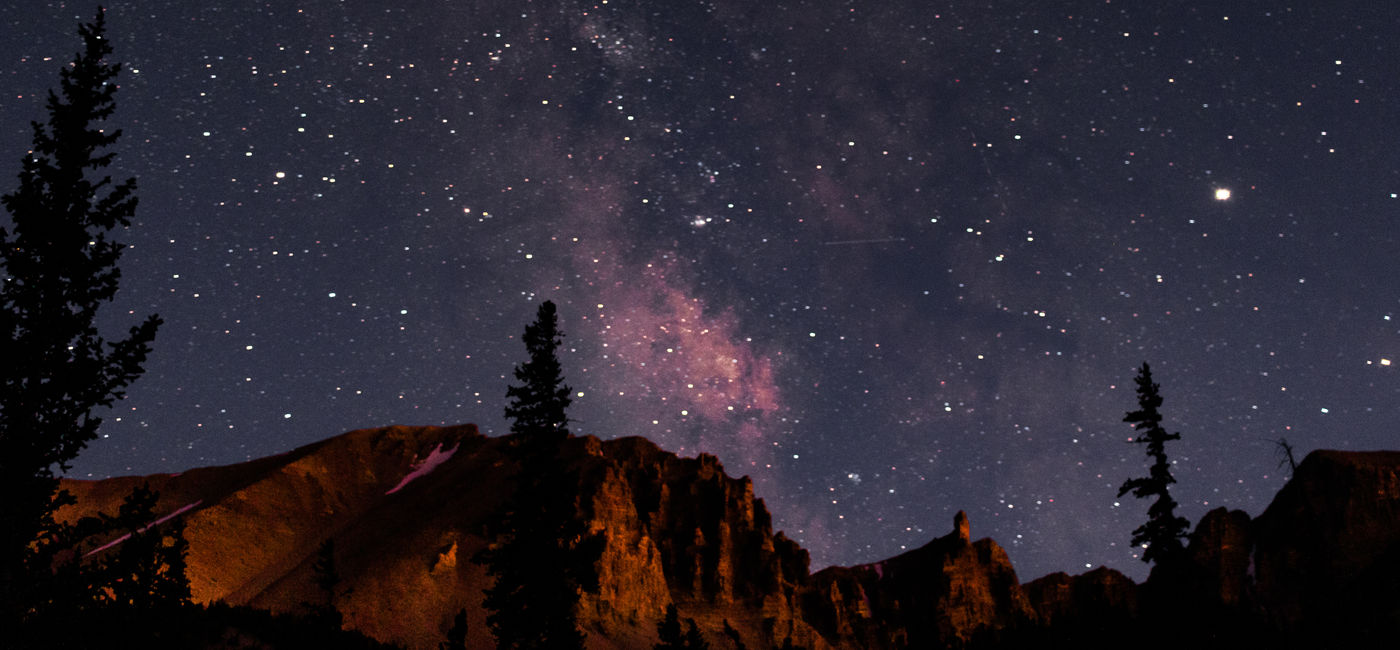
Nearly 80 percent of the American population can no longer view the Milky Way from their homes due to widespread development and associated light pollution; as a result, it’s important to consider the best National Parks for stargazing.
Worse still, over 99 percent of U.S. residents live under skies so impacted by artificial light that it has effectively erased the natural night sky.
These may be some of the reasons why astrotourism has surged in popularity, as many of us seek to experience the beauty of the night sky the way it was before rampant development.
This year in particular has been declared a standout year for astrotourism fans, thanks in part to the solar cycle bringing more auroras and eclipses than usual.
But where to go if the night skies in your community no longer offer much of a show?
National parks throughout the United States remain one the best places take in the night sky the way it was meant to be seen. Many are the last true dark sky sanctuaries in the country.
With so many beloved national parks to choose from however, you may be wondering which is the best choice to take in a celestial event. Outdoor apparel company Kühl has helpfully come up with an answer. The company just released a study ranking the best U.S. national parks for stargazing.
To create its ranking, Kühl reviewed five different data points: Number of stargazing events; how light-polluted a park is; the park’s dark-sky status; maximum elevation within the park and how many campgrounds are available for visitors.
Read on to find out which national parks came out on top based on this criteria.
Best national parks in the U.S. for stargazing
1. Great Basin National Park
Home to some of the oldest trees on earth, Nevada’s Great Basin National Park also ranks as the best park in the U.S. for stargazing, according to Kühl.
“If you’ve never been there, it can feel like stepping off the grid and into the cosmos,” says the Kühl report. “Tucked into a quiet corner of Nevada, this IDA (Certified Dark-Sky Park) park is one of the few places in the country where the night sky still looks like it did a thousand years ago.”
The skies here are rated a perfect Bortle 1, meaning they’re about as dark as you can get, and the park leans into that by hosting 53 stargazing events a year.
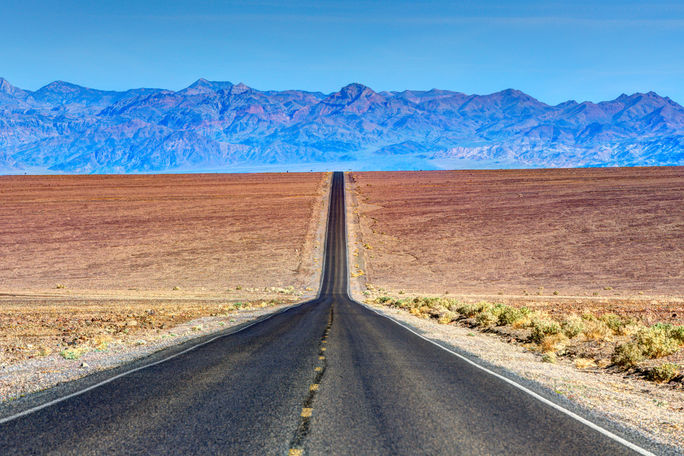
say NPS officials – Photo credit: AdobeStock
2. Death Valley National Park
Death Valley National Park, which straddles California and Nevada, earned the second place ranking on the Kühl study.
The park offers Bortle 1 skies and is Certified Dark-Sky Park. Stargazing here, however, takes a more self-guided approach – there are no formal stargazing events. What you will find is 12 developed campgrounds and miles of wide-open desert to claim as your own, says Kühl.
“It’s one of the most accessible places in the country to experience a truly dark night sky. The park’s highest peak rises to 11,049 feet, but you won’t need elevation to feel small out here. The stars will take care of that.”
3. Zion National Park
One of the most active places in the country when it comes to stargazing, Zion National Park ranks in third place on the Kühl list.
The Utah park hosts a whopping 59 night sky events between July and December, which is more than any other national park. “The skies at Zion earn a Bortle 2 rating, meaning they’re not the darkest, but still impressively clear once the sun sets behind the cliffs,” says the Kühl ranking.
“With its Certified Dark-Sky Park status, three developed campgrounds, and sandstone peaks that top out at 8,726 feet, Zion makes it easy to enjoy the night sky without wandering too far off the map.”
4. Big Bend National Park
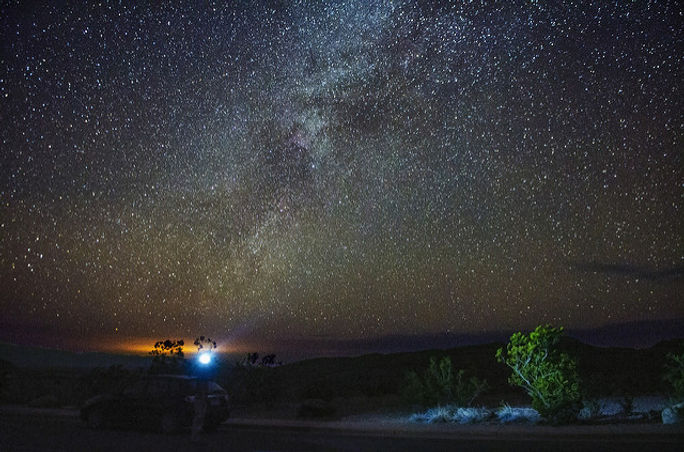
Big Bend National Park, the fourth best national park for stargazing, doesn’t host any stargazing events. But according to Kühl, it doesn’t need to.
“The park is vast, quiet, and drenched in darkness (Bortle 1 again),” explains the ranking. “With just three campgrounds and a whole lot of Texas emptiness, it’s the kind of place where you can sit in silence for hours, letting the stars do all the work. The Milky Way here feels close enough to touch.”
5. Capitol Reef National Park
Last, but hardly least, Utah’s Capitol Reef National Park ranks fifth.
The park does not host any specific stargazing events and there’s just two campgrounds here. On the other hand, it’s another Bortle 1-certified sky and the park’s “high desert landscape, all twisted rock and hidden canyons, holds onto the night like a secret. Nothing too flashy, but very photogenic,” says the ranking.
This article originally appeared in TravelPulse.
Contact My Journey Begins Travel to custom-plan a trip to one or more of our national parks.