
Celebrate Chinese Year of the Horse
January 2, 2026What’s New in Paris for 2026
January 2, 2026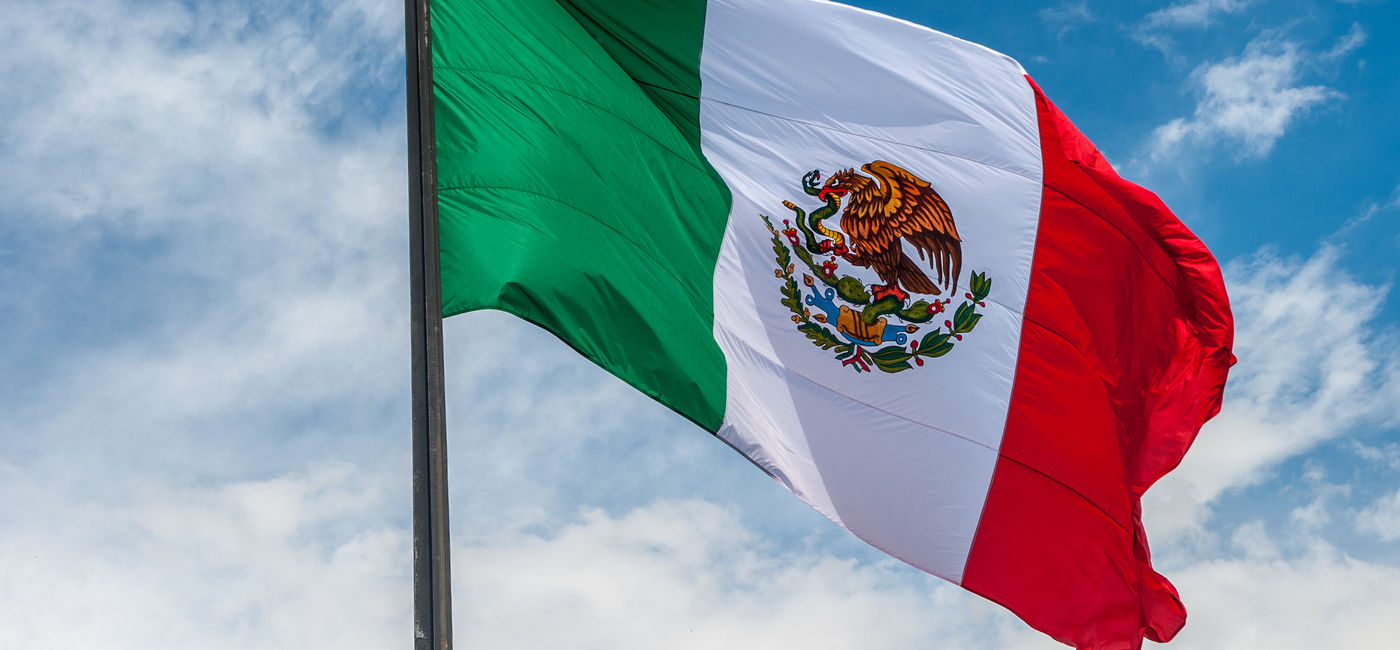
Mexico Travel in 2026
With its rich culture and varied destinations, Mexico appeals to a wide range of travelers. From sun-soaked beaches to sophisticated cities and charming historic towns, the vacation possibilities are endless — and new hotel developments, attractions, tours and infrastructure improvements are providing even more reasons for travelers to put Mexico on their wish list for 2026.
Here’s a roundup of some of the best options for Mexico travel in 2026.
Mexico Travel in 2026: Best Destinations
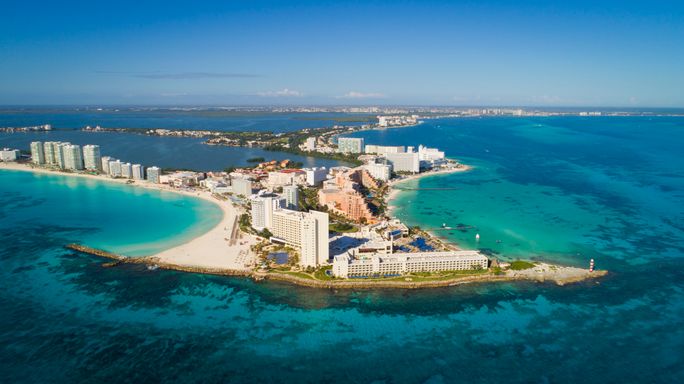
Mexican Caribbean: The state of Quintana Roo, which is marketed as the Mexican Caribbean in a nod to its prime location on Mexico’s eastern coast, is home to a variety of enticing vacation destinations, including Cancun, the Riviera Maya, Tulum and Cozumel. Sparkling beaches, ancient archeological sites and exciting outdoor activities are among the draws here, and the region is even better connected now, thanks to the recently completed Tren Maya, the rail service that links key destinations, and the Tulum International Airport, which provides more convenient flight options for visiting the southern part of the Riviera Maya, complementing Cancún’s role as the primary air gateway. New hotels in the Mexican Caribbean include Alila Mayakoba, a rebranding of the former Andaz Mayakoba Resort, the 605-room Majestic Mirage Costa Mujeres, near Cancun and SOTA, a beautiful new wellness retreat in the jungle near Puerto Morelos.
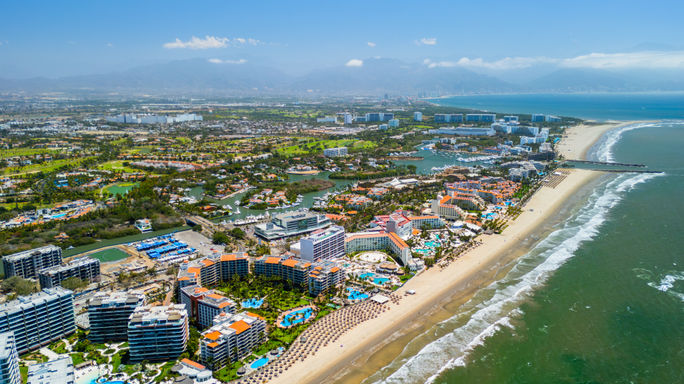
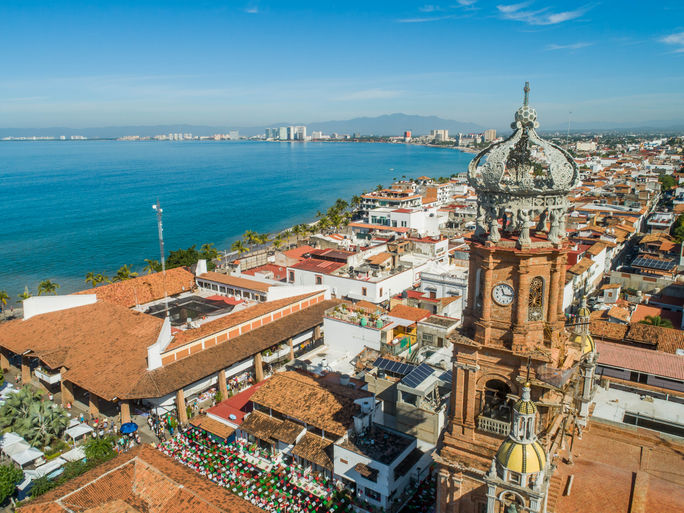
Puerto Vallarta: This Pacific coast hotspot offers an appealing combination of lovely beaches, natural beauty and the charms of a vibrant, sophisticated small city. In addition to enjoying beach time, visitors here can also browse art galleries, dine at award-winning restaurants and enjoy water- and land-based excitement. New accommodation options include the Garza Blanca Sanctuary, a new tower at Garza Blanca Puerto Vallarta. The construction of a brand-new terminal to complement the existing facility at Puerto Vallarta International Airport should, in the coming months, improve the arrival and departure experience.
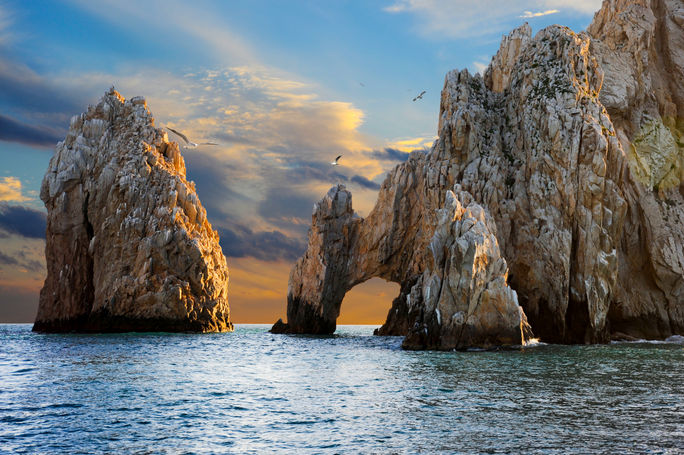
Los Cabos: This twin-town destination lures travelers with a blend of upscale hotels, elevated culinary experiences, dramatic natural beauty and engaging activities that range from boating and water sports to golf and whale watching. Sitting at the picturesque meeting point of desert and sea on Baja California Sur’s southern tip, Los Cabos continues to witness development in the hospitality scene, with new properties including the Park Hyatt Los Cabos at Cabo Del Sol, Amanvari and SoHo House Los Cabos.
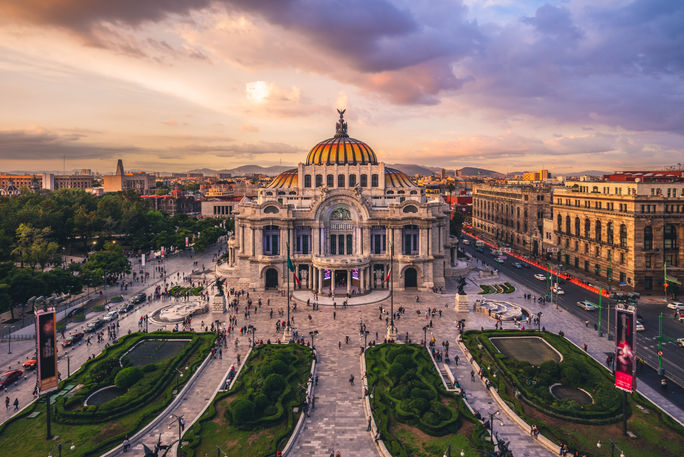
Mexico City: The nation’s capital wows with its world-class cultural facilities (the National Museum of Anthropology is among the best of its kind), a sophisticated dining and retail scene, and its rich history, traditions, and outstanding architectural sites that document the region’s pre-colonial and colonial history. Whether visitors are looking to learn about the society that flourished here before the arrival of the Spanish colonists, immerse themselves in the work of Frida Kahlo and other great artists, or simply enjoy big-city pleasures at award-winning restaurants and designer shops, they’ll find lots to do in Mexico City. As a host city for the FIFA World Cup 2026, even more eyes will be cast on this metropolis. New hotels include the Park Hyatt Mexico City, Hyde Mexico City and Pendry Mexico City.
Nayarit: In earlier years, most of this state’s tourism industry was centered around the region called the Riviera Nayarit. But today, the focus has expanded to include the entire state, thanks to new government efforts and the launch of international flights to Tepic, the state capital. Luxury resorts, cultural sites, jungle adventures, and water-based activities like boating and surfing are among the reasons vacationers flock to Nayarit. New hotels include. New hotels include the recently opened Siari, a Ritz-Carlton Reserve, and the forthcoming Montage Punta Mita, Pendry Punta Mita and VidantaWorld Nuevo Nayarit.
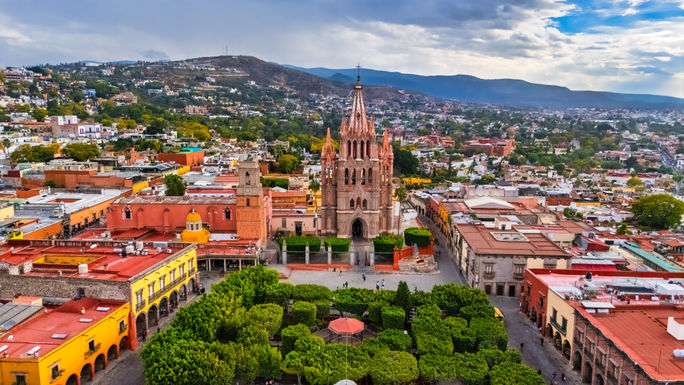
San Miguel de Allende: This postcard-worthy, magical town in Mexico’s central highlands enchants with its cobblestone streets, historic architecture, vibrant arts scene, fine dining and stylish accommodations. Activities here include visits to art galleries, unique shops, markets, and nearby wineries and farms; walking and foodie tours help introduce travelers to more of what makes this town so magical. New hotels include Clevia, San Miguel de Allende, Autograph Collection, which opened in 2025, and Pueblo Bonito Vantage San Miguel de Allende, which opens just in time for Mexico travel in 2026.
Mexico Travel in 2026: Best Attractions in Mexico
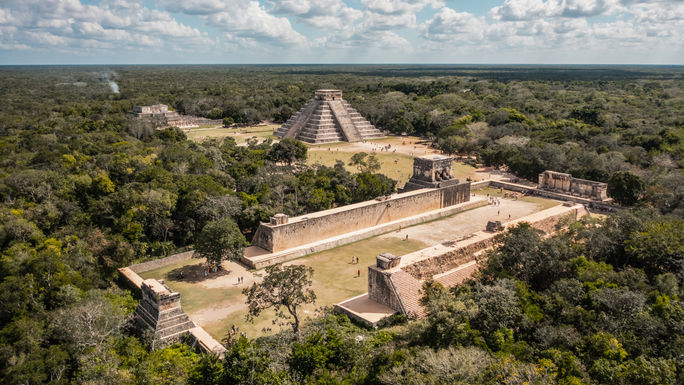
Chichen Itza: Dating to the Late Classic (c. 600-900 CE) through the early Postclassic (c. 900-1200 CE) period, Chichen Itza is one of the most recognized archeological sites in Mexico. The Pyramid of Kukulcán, the Temple of the Warriors, and the Great Ball Court continue to amaze visitors with their architectural and historical significance, and the Gran Museo de Chichén Itzá (Great Museum of Chichén Itzá) helps visitors better understand the society that built the historic structures. The Tren Maya has helped to make this iconic Mayan site even more accessible, providing yet another transportation option.
Copper Canyon: The Copper Canyon (Barrancas del Cobre), which runs through the state of Chihuahua, is nearly seven times the size of the Grand Canyon and every bit as breathtaking. The most interesting way to arrive is aboard the Chepe Express railway, which runs 220 miles and stops at multiple towns. Visitors can enjoy the scenery while riding aerial tramways and learn more about local culture — especially the Tarahumara (Rarámuri) people, who’ve inhabited the region for centuries. Lodging options include cliffside hotels at Divisadero and charming small properties in Creel.
Mexico City’s Centro Historico: The nation’s capital is home to a stunning, UNESCO-recognized historic center, graced with remnants of the powerful civilization that flourished here (the Templo Mayor, a Mexica temple in the heart of the city, is a must-see), as well as colonial architecture like the enormous Metropolitan Cathedral that reveal additional clues about the city’s history. The Zocalo, one of the world’s biggest public squares, is the vast centerpiece, flanked by the Metropolitan Cathedral, National Palace and the Templo Mayor, where visitors can explore pre-colonial ruins. It’s a fascinating neighborhood to explore on guided walking tours, and museums include the fabulous Museo Nacional de Arte (National Museum of Art) and the recently opened Museo Vivo del Muralismo (Living Museum of Muralism), which exhibits masterworks by Mexico’s legendary muralists.
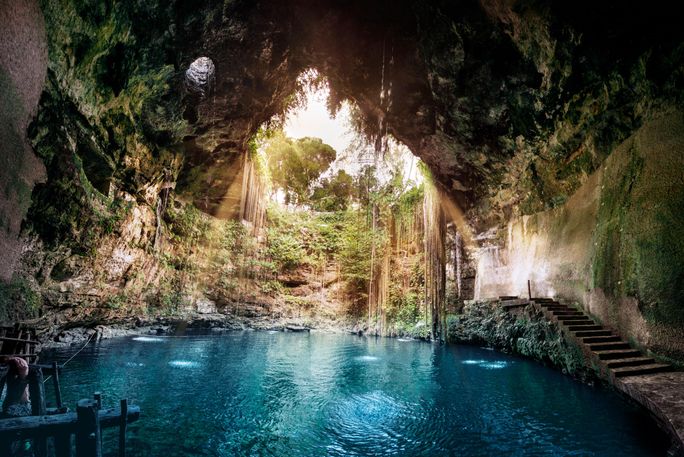
Cenotes in the Yucatan Peninsula: The Mayans considered these natural sites to be portals to the underworld and life-giving sources. Today, the natural sinkholes that dot Mexico’s Yucatan peninsula offer naturally beautiful settings for exploration and relaxation. The cavern systems provide opportunities for swimming, snorkeling and diving; guided visits are the best way to ensure the best experience. It’s easy to arrange visits to multiple locations in the states of Yucatan and Quintana Roo, on Mexico’s Caribbean coast. Xcaret, for example, offers a Xenotes Tour that visits four types of cenotes.
Palenque: Tucked into the verdant jungles of Chiapas, Palenque is among Mexico’s most interesting Mayan archeological sites, with temples, tombs and palace structures that date to around 600 to 800 CE. This region is also a rewarding place to spot interesting wildlife — including parrots, toucans and both howler and spider monkeys. The Tren Maya’s Palenque station, which opened in 2024, offers a relatively new option for visiting the region.
Puebla’s Centro Historico: This UNESCO World Heritage Site is a veritable open-air architecture and history museum, with blocks of beautiful colonial architecture — including Baroque churches, lovely public squares and stately residences that stand as a testament to the city’s 16th-century roots. Top attractions include the massive cathedral and the Biblioteca Palafoxiana, recognized by UNESCO as the first and oldest public library in the Americas. Puebla will serve as host city for the 2027 edition of Tianguis Turístico, Mexico’s annual tourism conference, further underscoring the city’s importance and continued investment in tourism.
Mexico travel in 2026: Must-See Events
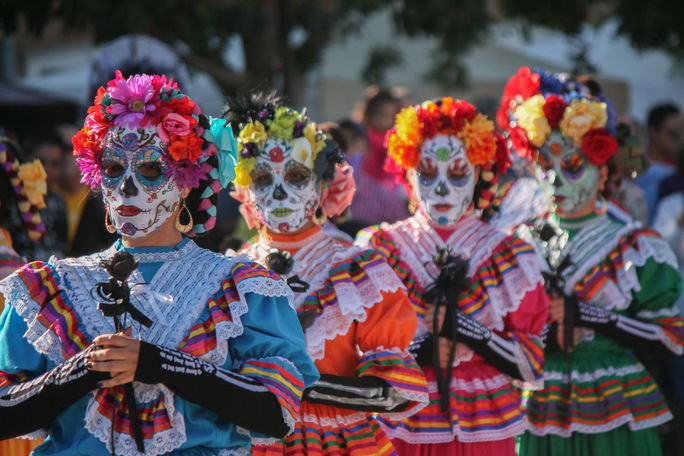
Dia de los Muertos (Day of the Dead): Running from late October into early November, Día de los Muertos is a treasured tradition to remember and honor loved ones who have passed away. Beautiful, hand-crafted altars (ofrendas) — which are visible in public plazas, businesses and private homes — pay tribute to ancestors with marigolds, candles, photographs and other items. In some cases, travelers can also visit cemeteries where families gather. The most important days are November 1 and 2, but altars and decorations usually start appearing several days or weeks before. Companies, including Intrepid Travel and G Adventures, offer guided tour packages that provide expert insight about this fascinating and touching event.
Guelaguetza Festival: This massive gathering in Oaxaca is a rewarding way to experience the beauty of indigenous culture. Slated for late July 2026, the event incorporates traditional dance, music and costumes. Expect lots of opportunities to sample local food and purchase handmade crafts, too. Tour operators with packages that include attendance at the Guelaguetza Festival include Mexico Kan Tours and El Interior.
Mexican Independence Day: This important date is celebrated nationwide on September 16, although festivities actually begin the night before with the Grito de Dolores, which commemorates Father Miguel Hidalgo’s 1810 call for independence from Spain. In Mexico City, the Grito takes place on the Zocalo (the city’s largest square), with cheering crowds and fireworks. The following day, a military parade proceeds along the grand Paseo de la Reforma boulevard. Smaller-scale celebrations take place in many other popular tourist cities, including San Miguel de Allende, Morelia and Oaxaca.
Carnaval: This pre-Lenten celebration is especially large in two coastal cities, and each has its own distinct flavor. In Mazatlán, the 2026 edition of Carnaval runs from February 12-17, with multiple parades, live music, and lots of costumes and parties. Carnaval in Veracruz runs February 10-18, with festive parades and music with Afro-Caribbean influence.
Feria Nacional de San Marcos (San Marcos National Fair): Many foreign travelers may not be aware of this event, but it ranks as Mexico’s largest annual fair, attracting thousands to Aguascalientes each year. Taking place from mid-April through early May, it features multiple cultural and culinary events, as well as live performances by big-name musical artists (this year’s performers haven’t been announced yet, but previous fairs have featured Enrique Iglesias, Sting, Pitbull and Maroon 5, to name a few).
Best Places for Family Travel in Mexico in 2026
The Riviera Maya: With its soft-sand beaches and expansive, all-inclusive resort hotels (many of which offer free children’s programs), the Riviera Maya — which includes destinations like Playa del Carmen and Puerto Morelos — is an ideal region for multigenerational vacations. Families can also take advantage of the proximity to family-friendly attractions like Xcaret, as well as a variety of cenotes and Mayan archeological sites that provide fun learning opportunities. Among the region’s hotels with kids’ clubs are the St. Regis Kanai Resort, Riviera Maya and the Grand Velas Riviera Maya.
Los Cabos: The upscale hotels in Los Cabos provide an indulgent backdrop for family-friendly getaways, while the array of outdoor activities — which range from snorkeling and yachting to ATV and mountain bike excursions — ensure that kids and adults alike will find lots of excitement. Resorts, including the Hyatt Ziva Los Cabos and the Viceroy Los Cabos, offer children’s clubs.
Puerto Vallarta: A stroll along the city’s beautiful Malecón boardwalk, dotted with fanciful contemporary sculpture, is a fun way to introduce kids to the charms of this oceanfront resort destination. Families can explore the region’s natural beauty at attractions like the Vallarta Botanical Gardens, home to swimming rivers and nature trails, and the Los Veranos Canopy Tour, offering exciting zipline adventures.
Cancun: Mexico’s biggest tourism destination is number one for a reason — and that’s especially apparent when it comes to the numerous family-friendly hotels that line the Cancun Hotel Zone. Short airport transfer times are also a big selling point for families looking for convenience and a stress-free getaway, and kid-friendly properties like the Grand Fiesta Americana Coral Beach Cancun and Hilton Cancun Mar Caribe offer children’s clubs and easy access to nearby attractions and activities.
Mexico City: There’s no need to limit family vacations to the beach when planning a Mexico trip. Big-city sophistication pairs perfectly with family-minded fun in Mexico City, where the recently opened Casa de las Mil Muñecas (House of 1,000 Dolls), the Papalote Museo del Niño (Papalote Children’s Museum) and the Museo del Juguete Antiguo Mexico (Museum of Antique Toys) are just a few examples of how this metropolis engages children with unique attractions.
Best Places for Couples Travel in Mexico in 2026
San Miguel de Allende: This charming, sophisticated town’s colonial-era architecture and cobblestone streets provide a picturesque backdrop for its enticing array of boutique hotels, gourmet restaurants and upscale shops. The town’s small size and elegant offerings make it ideal for romance-seeking couples, with options like sunset drinks and dinner on a beautiful rooftop (the Rosewood San Miguel de Allende is perfect for that) and wine tastings at venues such as the San Miguel Vineyard.
Costalegre: Stretching along a 200-mile stretch of Pacific coastline between Puerto Vallarta and Manzanillo, Costalegre (the “Happy Coast”) is an up-and-coming destination for luxury travel and romantic getaways, with an array of secluded beaches and dramatic scenery that ranges from lush jungle to soaring cliffs. Beautifully designed properties like Las Alamandas and the Four Seasons Resort Tamarindo are perfect for couples, offering blissful privacy and ample space to enjoy an indulgent time together.
Holbox: The relaxed, car-free ambiance and white-sand beaches of this unspoiled Mexican Caribbean island make it an especially good choice for couples seeking a peaceful, romantic getaway. Biking, sunset boat rides and sunrise kayaking are just a few of the activities that couples can enjoy in this decidedly uncrowded environment.
Isla Mujeres: A quick ferry ride from Cancun transports couples to a very different world: the laidback island of Isla Mujeres, which combines small-town charm with beautiful scenery. The upscale, adults-only Impression Isla Mujeres by Secrets is an excellent hotel option, offering spa treatments and a private ferry transfer from the mainland.
Valle de Guadalupe: One of Mexico’s most celebrated wine regions, it offers intimate settings for couples to sip unique local varietals. Luxurious spas, outstanding cuisine and upscale hotels like the sumptuous Banyan Tree Veya Valle de Guadalupe help to cement this destination’s role as a hotspot for romance travel.
Best Places for Group Travel in Mexico in 2026
Cancun: With its wide array of large, well-designed hotels and easy access to myriad activities and attractions (ranging from Mayan archeological sites to bustling nightlife), Cancun is well positioned to serve the needs of groups, whether it’s multigenerational getaways, family reunions or friend vacations. Among the newer group-friendly hotel options are the 400-room Hyatt Vivid Grand Island and AVA Resort Cancun, both of which offer all-inclusive amenities and plenty of on-site activities.
Los Cabos: Los Cabos entices groups with its blend of upscale resort culture and extensive outdoor activities, among the group-friendly activities: private yacht charters with companies like Cabo Platinum, exciting ATV desert tours and whale watching with Cabo Adventures and culinary classes at Tamarindos, a farm-to-table restaurant that offers a variety of group-friendly programs.
Puerto Vallarta: This charming city’s easily walkable downtown makes it especially pleasant for groups looking to explore diverse dining, art galleries, shopping and nightlife. Companies like Vallarta Adventures also make it easy for groups to participate in activities ranging from beach and snorkeling excursions to private boat charters, whale watching, and scuba lessons.
Mexico City: As the nation’s capital and largest metropolis, Mexico City offers activities to suit nearly every type of group. History buffs and art lovers will appreciate the city’s vast array of museums (including the new Living Museum of Muralism), while foodies won’t want to miss trying out some of Mexico’s most celebrated restaurants. Suppliers, including Kensington Tours, offer private, multi-day tours of Mexico City that can work well for groups, while hotels, including the trendy Mondrian Mexico City Condesa, also craft customized, private city tours and experiences.
Oaxaca: The city of Oaxaca is a hub for lovers of history, culture, and great food, making it a worthwhile choice for groups seeking a culturally rich experience. Cooking classes, mezcal sampling, market tours and excursions to the Monte Alban archeological site are just a few options for enjoyable group activities. Companies, including Tia Stephanie Tours and Oaxaca by Locals, offer a variety of customizable group activities and tours.
Oaxaca: The city of Oaxaca is a hub for lovers of history, culture, and great food, making it a worthwhile choice for groups seeking a culturally rich experience. Cooking classes, mezcal sampling, market tours and excursions to the Monte Alban archeological site are just a few options for enjoyable group activities. Companies, including Tia Stephanie Tours and Oaxaca by Locals, offer a variety of customizable group activities and tours.
Best Places for Solo Travel in Mexico in 2026
Mexico City: With seemingly endless cultural attractions, culinary venues, shopping, and nightlife, Mexico City is a destination where solo travelers will find plenty of interesting diversions. Affordable rideshare app services, extensive public transit, and highly walkable neighborhoods make wandering the city a pleasure, and local group tours can offer opportunities to socialize for those looking to meet other travelers. Neighborhoods including Condesa, Roma Norte, and Coyoacán are perfect for solo travelers, thanks to their laid-back vibe and walkability.
Sayulita: This wonderfully bohemian beach town in the state of Nayarit is a hotspot for solo travelers for several reasons: the relaxed vibe and cafes, the surf schools and easy-to-join activities all make it easy for travelers to meet other people if they like. Examples include yoga studios like The Rose Room, located at the Don Bonito Hotel, and Alchemize House, a “social wellness” hub designed to foster interaction. The town’s reputation as one of the nation’s safest coastal towns also makes it a popular choice for solo female travelers.
San Cristóbal de las Casas: This designated Pueblo Magico (Magical Town), set in a picturesque region of the Chiapas highlands, is graced with colorful colonial architecture and a pleasantly cool climate. Strolling the postcard-perfect streets is a delight, and Spanish-language classes, walking tours, artisan workshops and excursions to the nearby Sumidero Canyon provide additional opportunities for social interaction.
Mérida: The capital of Yucatán state offers a safe environment and opportunities to learn about and interact with Mayan culture. Solo travelers can attend cultural events year-round and take excursions to nearby cenotes and archeological sites, including Chichén Itzá. G Adventures offers a Solo-ish in Mexico itinerary with monthly departures in 2026, featuring a nine-day program that leads guests through Playa del Carmen, Tulum, Mérida, and the Yucatán interior. The itinerary is designed to foster conversation and connection among solo travelers.
Oaxaca: This city’s busy calendar of festivals, workshops, and activities, like mezcal tours, makes it easy for solo travelers to tap into the region’s allure and socialize with other travelers and locals alike. Cooking classes, guided market visits, and tours of the Monte Alban archaeological site are among the top activities for solo travelers here.
Best Places for Foodie Travel in Mexico in 2026
Puebla: One of Mexico’s traditional culinary hubs, the city of Puebla offers mouthwatering opportunities to sample legendary dishes like mole poblano, cemitas and chalupas, to name a few. The region’s Spanish and Indigenous heritage are especially apparent in these delicious culinary creations, and travelers can immerse themselves through food tours and cooking classes. Banyan Tree Puebla, for example, is among the hotels that offer culinary experiences — including chef-led cooking classes, mezcal and tequila tastings and a “market to table culinary adventure” that features a guided visit to a nearby market.
Ensenada and Valle de Guadalupe, Baja California: Food and wine enthusiasts will find lots to love in this region of northwestern Mexico. Ensenada’s fish tacos are legendary, while nearby Valle de Guadalupe is one of the nation’s most celebrated wine regions, with more than 150 wineries. Top choices for exploring include El Cielo, a boutique hotel and winery that’s been praised for its ecologically responsible winemaking practices, and Nossa Imports, a U.S.-based wine importer that organizes group and individual tours. In 2025, Chef Diego Hernandez opened Diego, a restaurant inside the Museo de La Vid y El Vino, a wine museum.
Guadalajara: This fascinating metropolis is home to many of Mexico’s most celebrated traditions — and cuisine is one of them. Local favorites include tortas ahogadas (drowned sandwiches) and carne en su jugo (beef in juice). Visitors can join food tours and cooking classes with local operators like Casa Humo, or reserve a table at trendy eateries including Hueso and Xokol. The Neighborhood of the Nine Corners is the authentic hub for sampling traditional birria, a slow-cooked meat stew.
Querétaro Wine and Cheese Route: It may not be as well-known as Valle de Guadalupe, but the wine and cheese route in the state of Querétaro is gaining attention for its interesting variety of vineyards and artisanal cheese farms, all of which are conveniently close to the magical towns of Tequisquiapan and Peña de Bernal. Wineries that offer tours and tastings include Sala Vive and Puerta del Lobo. Wine enthusiasts can also stay overnight at Hacienda Atongo, a seven-hectare vineyard with a restaurant and a 14-room hotel.
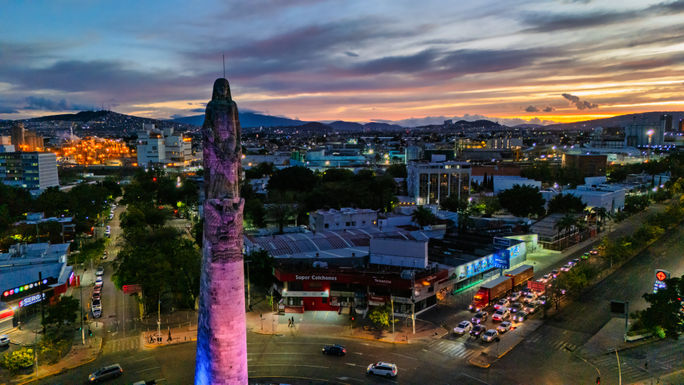
Best Places for Adventure Travel in Mexico in 2026
Sumidero Canyon National Park: Lined with limestone cliffs that soar as tall as 3,300 feet, Sumidero Canyon provides a dramatic backdrop for boat tours, hiking and mountain biking. Wildlife is abundant — including crocodiles, monkeys and birds — and local guides can provide expert insight into the region’s vast natural beauty. San Cristóbal de Las Casas and Tuxtla Gutiérrez are the most common departure points.
Sierra Gorda, Querétaro: The Sierra Gorda Biosphere Reserve is home to deep canyons and a rugged landscape that’s ideal for adventurous nature lovers. Visitors can join multi-sport expeditions that can include hiking, mountain tubing, canyoning and rappelling. Sierra Gorda Ecotours offers preservation-minded excursions and eight cabins for overnight stays.
Huasteca Potosina, San Luis Potosí: The beautiful rivers, waterfalls, and limestone formations of Huasteca Potosina are a paradisiacal setting for nature lovers, and adventurous types are especially attracted to the region. Operators, including Huaxteca and Vibe Adventures, offer robust tour itineraries with activities such as boat tours, hiking, rafting, and rappelling.
Copper Canyon (Barrancas del Cobre): This group of canyons, which is much larger than the Grand Canyon, offers many breathtaking adventure experiences. The Chepe Express rail line provides the most unique way to reach this spectacularly beautiful region, with hiking trails that lead adventurers deep into the canyons. Mountain biking, rappelling and zipline courses are also noteworthy activities at Parque Barrancas, an adventure park with a variety of exciting experiences. Copper Canyon Adventures offers guided, multi-day itineraries tailored for adventurous travelers, while Road Scholar offers multiple departures throughout 2026.
Jalcomulco, Veracruz: For fans of whitewater rafting, it’s hard to beat the thrills that await in this region of Veracruz state. The challenging rapids of the Rio Antigua provide class II-IV excitement — all against a backdrop of verdant tropical scenery and soaring canyon walls. Travelers can time their visit to suit their conditions; October brings the biggest whitewater waves, but rafting is doable year-round, and tour packages can also include rappelling, ziplining, and temazcal experiences. Adventurec is among the local operators that offer customizable packages and accommodations.
Mexico Travel in 2026: Best Places for Sports Enthusiasts
Mexico City: The 2026 FIFA World Cup, which takes place in June and July 2026, will make headlines around the globe — and Mexico’s three host cities will be the focus for much of the excitement. The opening match, in fact, will take place at the recently upgraded Estadio Azteca in Mexico City. Beyond the World Cup, Mexico’s capital attracts sports lovers with events like the Formula 1 Mexico City Grand Prix, which takes place October 30-November 1, 2026 at the Autodromo Hermanos Rodríguez, and the MLG World Tour Mexico City Series, which brings baseball excitement to the city on April 25 and 26, 2026 with two games between the Arizona Diamondbacks and San Diego Padres. Arena Mexico, meanwhile, hosts year-round sporting events in the form of Lucha Libre wrestling.
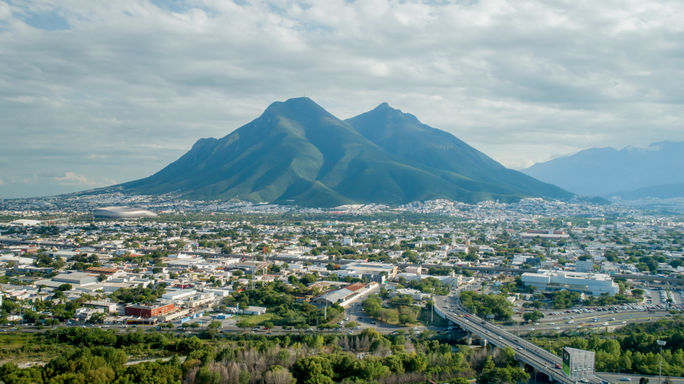
Monterrey: Soccer-obsessed travelers may also want to put Monterrey on their itinerary; in addition to hosting multiple matches during the FIFA World Cup at Estadio Monterrey, the city is a prime destination for watching Liga MX action throughout the year. Professional baseball and basketball seasons also boost the sports scene.
Guadalajara: This historic city will also witness lots of FIFA World Cup excitement in 2026, with the iconic Estadio Akron serving as the host venue. The city is also home to two Liga MX clubs, Chivas and Atlas, as well as sporting excitement in the form of major boxing events, professional tennis competitions like the Guadalajara Open Akron in September and traditional charrería (Mexican rodeo) exhibitions.
Los Cabos: This sun-soaked destination may be known for its scenic beauty and sumptuous hotels, but it’s also an excellent place for sports enthusiasts, thanks to its impressive roster of action-packed events. The World Wide Technology Championship, for example, will bring PGA pros to the Tiger Woods-designed El Cardonal Golf Course on November 2-8, 2026. Los Cabos also hosts Bisbee’s sport fishing tournaments, including the Bisbee’s Los Cabos Offshore event and the Bisbee’s Black & Blue, both of which take place in October, with top-notch anglers competing for multimillion-dollar purses. The ATP Los Cabos Open, meanwhile, will bring tennis excitement to the courts on July 18-25, 2026.
Best Places for LGBTQ+ Travel in Mexico in 2026
Puerto Vallarta: In 2026, Puerto Vallarta remains Mexico’s highest-profile beach destination for LGBTQ+ vacationers, with the city’s Romantic Zone neighborhood offering an impressive concentration of queer-owned and queer-welcoming businesses that make it easy for diverse traveler types to feel at home. Top venues include Mantamar Beach Club for daytime pool and beach fun and festive events. LGBTQ+-focused accommodation options include the beachfront, adults-only Almar LGBT Luxury Resort, the upscale, boutique-style Casa Cupula and The Tryst, which debuted in 2025. Vallarta Pride usually takes place in May (dates hadn’t been announced as of press time), and Diana’s Tours offers gay-friendly boat tours year-round.
Mexico City: The nation’s capital and biggest city is logically home to Mexico’s most vibrant LGBTQ+ life, with an enticing blend of queer-friendly culture, businesses and activities. The Zona Rosa neighborhood has the largest concentration of LGBTQ+ bars — including the cowboy-themed Vaqueros and the youthful Kinky — but there are welcoming venues in other neighborhoods, too. Out Adventures offers a five-night Mexico City tour package with two departures scheduled for 2026. Mexico City Pride, which takes place on the last Saturday in June, is an ideal time to immerse in the city’s welcoming vibe; the event includes a massive parade down Reforma Avenue and a festival with live entertainment in the Zocalo, the city’s largest plaza.
Guadalajara: This high-profile city is another great place for LGBTQ+ travelers. Pride in Guadalajara attracts thousands of supporters — but note that two different organizations actually head two pride-related marches; one takes place on June 6, 2026, and the other on June 13, 2026. For year-round nightlife, clubs like Babel and staples like California’s are go-to places for a night on the town, while Genesis — which isn’t specifically queer — attracts a loyal following with its fun mix of retro music from various decades.
Playa del Carmen: LGBTQ+ travelers who crave the warm, clear Caribbean waters of Mexico’s Riviera Maya may want to consider a visit to Playa del Carmen, the laidback beach town with a supremely walkable downtown and a prime location near the region’s cenotes and Mayan ruins. This isn’t a place for nonstop nightlife, of course, but venues like Migajera do provide after-dark diversion. A gay-owned company, Mérida Gay Tours, offers excursions to nearby attractions throughout the Mexican Caribbean and in the neighboring state of Yucatan.
Unique to Mexico: Archeological Ruins
Teotihuacan: An easy day trip from Mexico City, it features the stunning remains of an ancient metropolis dating to around 100 BC. A guided visit is the best way to fully appreciate this remarkable archaeological site, which includes the gigantic Pyramids of the Sun and the Moon, as well as a series of ceremonial avenues and plazas. Intrepid Travel is among the operators offering multi-day Mexico tours that include stays at hotels, including the Four Seasons Hotel Mexico City, which can arrange hot-air balloon rides over the pyramids.
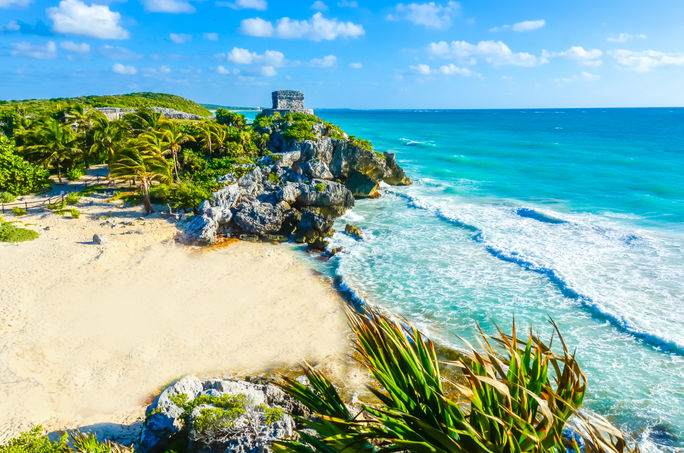
Tulum: Built sometime between 1200 and 1450 CE, Tulum is one of Mexico’s most picturesque archeological ruins, sitting atop limestone cliffs on the Caribbean coast. The recent development of interpretive trails in the Jaguar National Park makes a visit even more enriching, as does the new Maya Heritage Museum.
Monte Alban: This dramatically beautiful archaeological site in the Oaxaca Valley was one of the region’s first urban centers and a hub of the Zapotec civilization. Guided half-day tours from Oaxaca city are easy to arrange with a variety of tour operators. Journey Mexico offers customizable, multi-day itineraries that include visits to Monte Alban.
Uxmal: Founded around 700 CE, Uxmal is one of the most important archeological sites in Yucatan. Its symbolic motifs, sculptures and Pyramid of the Soothsayer are genuinely stunning. On-site guides can provide detailed insight into the site’s history, and nighttime light shows offer a dramatic after-dark option for visiting. Many tours combine visits to this site with stops at other nearby ruins.
Chichen Itza: This large complex of Mayan ruins in the state of Yucatan — inhabited from around 600 CE until the 1200s — is one of Mexico’s best-known archeological sites, and with good reason. Its gigantic step pyramid, El Castillo, casts a powerful profile, and the ball court provides a fascinating glimpse at ancient sporting life.
This article regarding Mexico travel in 2026 originally appeared in TravelPulse.
Contact My Journey Begins Travel to plan and book Mexico travel in 2026.