
MSC Cruises Inaugural Alaska Itineraries
January 22, 2026Southwest Airlines Assigned Seating
January 27, 2026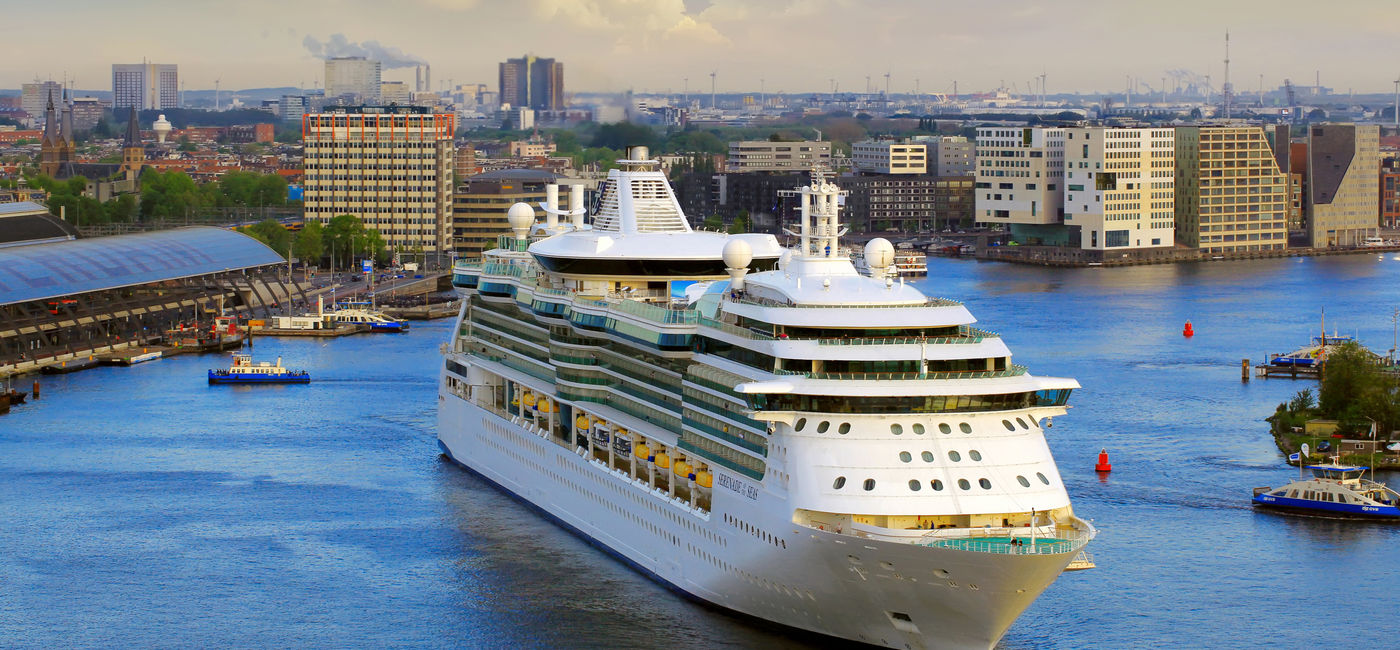
The future of ocean cruises in Amsterdam is being reconsidered, as the Dutch metropolis continues its fight against overtourism with a new proposal: ending ocean cruise visits by 2035.
According to Travel Weekly, the Dutch city is heading towards municipal elections this March, after which the new municipal executive will be able to decide the fate of the city’s cruise tourism – and with it the future of both river and ocean cruises in Amsterdam
The plan would cost the city 46 million euros in lost revenue over thirty years following the ban on ocean cruising.
“The municipality will further develop the precise consequences of ending sea cruises, including the loss of direct and indirect jobs, in the coming months,” a city press release said. “This will be done carefully and in collaboration with the national government and other involved partners.”
Amsterdam has been combatting the negative effects of overtourism in a variety of ways in recent years, banning large cruise ships in the city center, banning new hotel construction and reducing the number of river cruise ships able to dock in Amsterdam annually.
“Moreover, we prioritize sustainability and livability,” said Amsterdam’s deputy mayor, Hester van Buren. “All of this means that we will be better exploring the option of ending sea cruises in Amsterdam.”
Amsterdam is currently in the middle of celebrating a year-long 750th anniversary.
This article originally appeared in TravelPulse.
Contact My Journey Begins Travel to plan and book a visit to Amsterdam.
*****
This July 7, 2024 article regarding the future of ocean cruises in Amsterdam brings up the possibility of major changes short of a ban – this effort appears to be ongoing and has made travel to Amsterdam much more expensive with only questionable effects on “overtourism” thus far.
Photo credit: Adobe Stock/Yasonya
Amsterdam is among the world’s cities that are most notoriously plagued by overtourism and a battle is already underway to remedy the scourge of overcrowding and tourism-related nuisance. As part of its next steps, the city council recently revealed new details of its plans, first announced last year, to ban large oceangoing cruise ships from docking in the city center. In fact, it aims to entirely eliminate the cruise port at Veemkade itself by 2035.
This phased shutdown of cruise ship operations has now begun, with the municipality recently announcing that, starting from 2026, the number of sea cruise ships visiting the Dutch capital will be nearly halved from 190 to a maximum of 100 per year. The Passenger Terminal Amsterdam will also immediately revert to a single berth and, from 2027, all cruise ships will be required to use shore power, reducing emissions while docked.
Ousting cruise ships from the city center is part of a broader package of policies that serve local officials’ aim of curbing the further growth of tourism, and creating a cleaner, more livable and sustainable urban environment for local residents.
To ensure that it’s pursuing a responsible approach, the city is adhering to recommendations from Berenschot, an independent agency that has conducted extensive research into the potential effects of such changes on various stakeholders, including representatives from the cruise sector, city and regional authorities, and government officials.
The anticipated reduction in cruise ship visits will not only decrease tourist congestion, but also significantly cut emissions of such pollutants as particulate matter, nitrogen oxides, sulfur oxides and CO2. The 2027 shore power mandate will further minimize noise pollution from docked ships.
However, officials admit, these environmental gains come with economic trade-offs. The imminent reduction in sea cruise traffic is expected to lower tourist spending at museums, restaurants, shops and other attractions. This decrease in tourist activity will also affect fuel sales, as well as reduce revenue from tourist taxes and port authority shares. The financial implications of this decision are set to be addressed in the municipality’s upcoming Spring Memorandum, though no immediate budgetary impacts are expected for 2025.
Overall, the city stands to lose anywhere from €46 million to €103 million in revenue, Bloomberg reported. “We understand that there might be some adverse effects,” a city spokesperson said in a statement given to the outlet. “However, we also know that visitor numbers continue to rise both worldwide and in Amsterdam, so we cannot afford to sit back and wait for things to get worse.”
Does all of this mean that cruises to the historic Dutch capital as a broader destination will soon be off the table entirely? That seems unlikely, seeing as the Port Authority and the province of North Holland are already collaborating with the Ministry of Infrastructure and Water Management to conduct an official investigation as to the feasibility of relocating the PTA to the Coenhaven area, approximately 20 minutes from Amsterdam, by 2035
In addition to sea cruises, the municipality also plans to cut the number of river cruises to 1,150 annually, down from approximately 2,300, as part of its wider efforts to manage tourist influx, and preserve the city’s character and environment.
Among the other measures Amsterdam has implemented in an effort to curb overtourism and mitigate its effects are new restrictions placed on short-term rental properties, the banning of new hotel construction and a “Stay Away” publicity campaign designed to discourage tourists’ typical nuisance behavior.
This article originally appeared in TravelPulse.